
The constraint came first. The software followed.
Every project here started with a broken operational process — not a feature request. We document the friction, build to the actual constraint, and measure what changes.


Operational problems. Built solutions. Measured results.
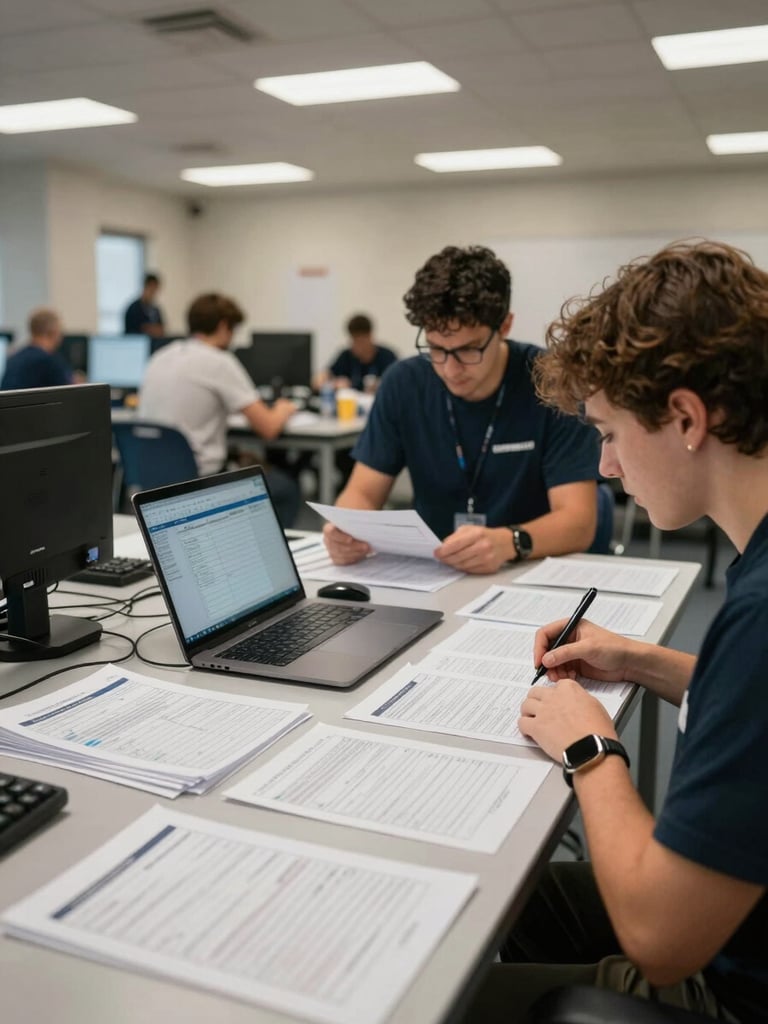
480 volunteers. One spreadsheet. Zero visibility.
A regional food bank was coordinating 480 active volunteers across 12 sites using a shared Google Sheet. Shift conflicts, no-shows, and manual follow-up consumed two full-time staff positions each week.
We built a lean scheduling and communications platform tailored to their site structure. Shift coverage improved 34%. Coordinator time on logistics dropped by half in the first quarter.
Member data scattered across four disconnected tools.
A B Corp trade association managed member records in their CRM, event attendance in Eventbrite, dues in QuickBooks, and communications in Mailchimp — with no single source of truth for any of it.
We replaced four disconnected tools with a single member portal built to their actual renewal cycles and committee structure. Staff onboarding time for new members dropped from three days to four hours.
A 40-location supply chain tracked in paper logs.
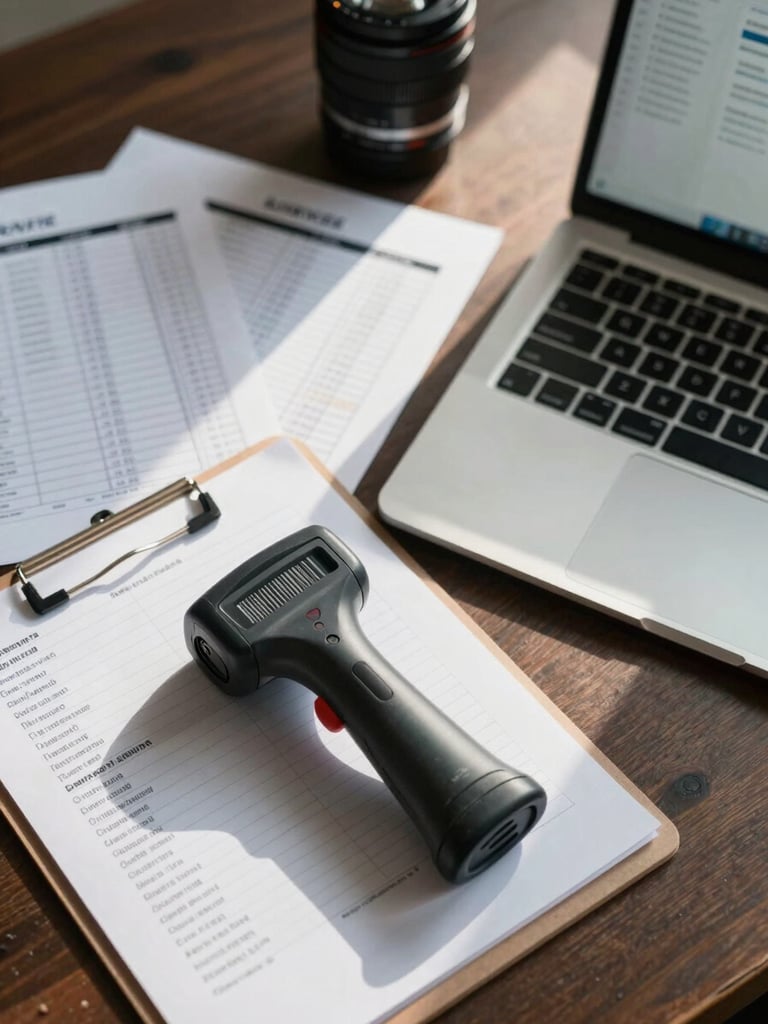
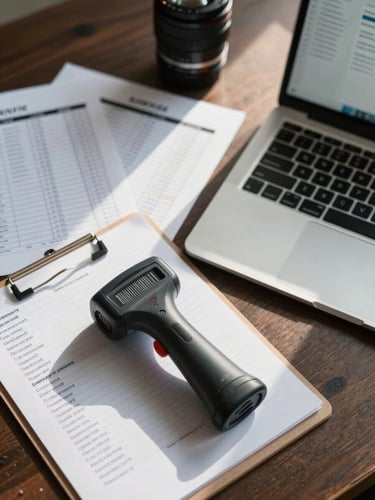
A social enterprise distributor was reconciling inventory across 40 partner locations using printed logs and weekly check-in calls. Discrepancies surfaced days after they mattered, not in time to act.
We built a real-time inventory and transfer system that mapped to their partner tiers. Reconciliation errors fell by 61% in the first six months. Weekly check-in calls became monthly exception reviews.
12+ sectors served
Lean teams, complex ops
No off-the-shelf defaults
From food security and housing nonprofits to worker-owned co-ops and certified B Corps — each with distinct operational constraints we built to, not around.
Every client we've worked with manages operations a generic platform would call an edge case. We call it the baseline requirement and design from there.
We don't adapt existing platforms for mission-driven orgs. We scope, build, and hand off systems that fit the actual workflow — not the nearest approximation.
Your operational constraint is a starting point, not a limitation.
Walk us through what's breaking. We'll tell you whether software is the answer — and what that would actually look like for your team.